Memories Written in the Olive Groves
History can be recorded in books. Family history is often recorded differently.
It lives in smells, sounds, textures and gestures that remain with us long after childhood has passed.
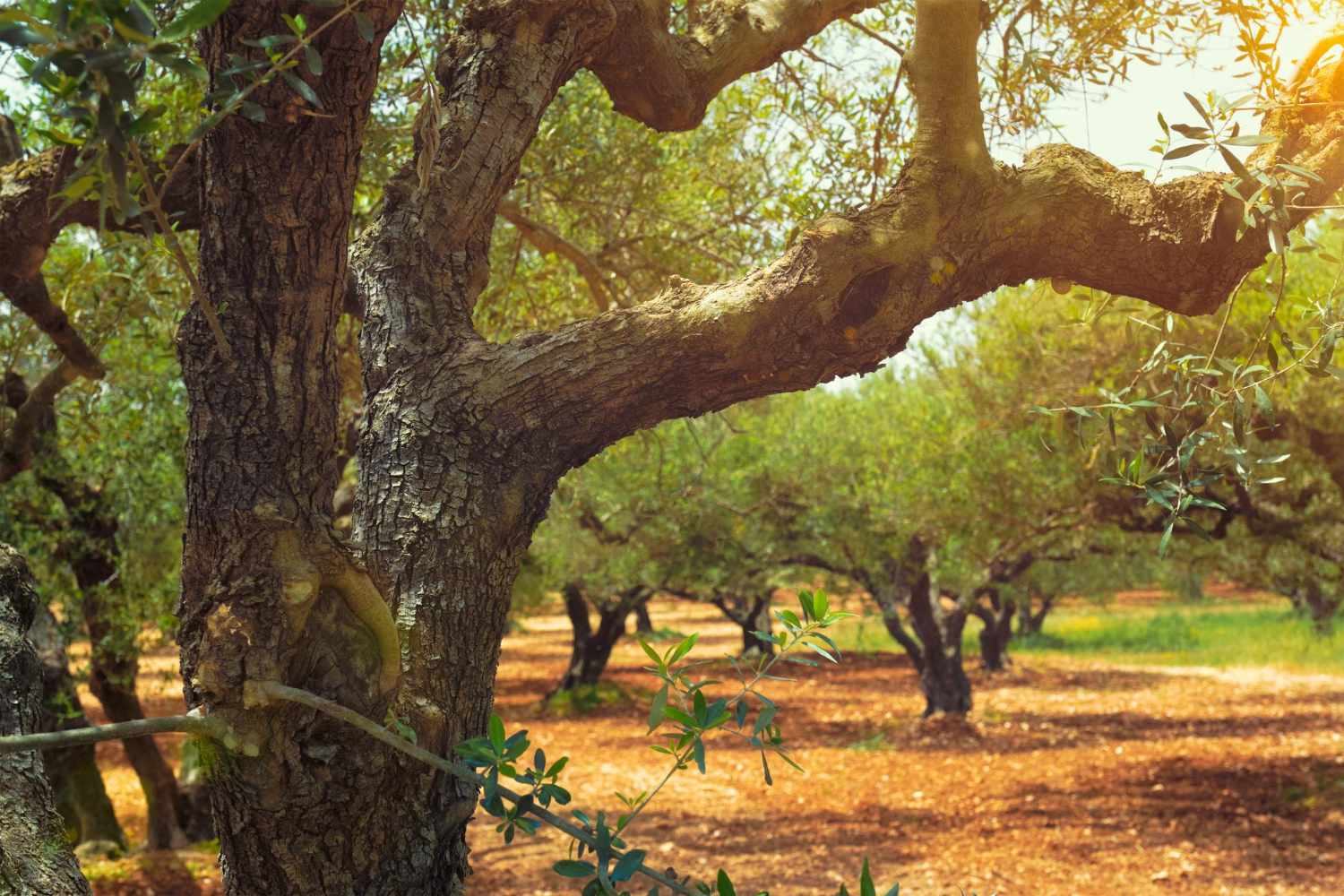
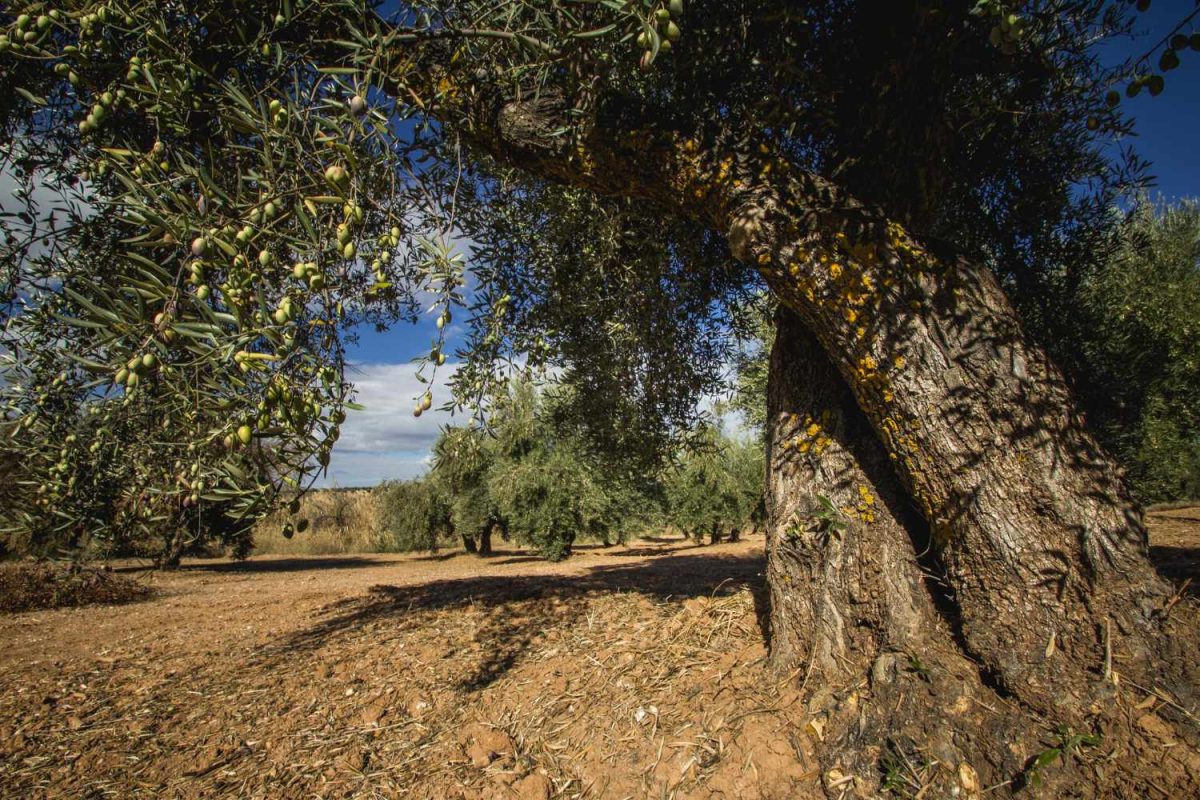
For those of us who grew up among the olive trees, the harvest created its own sensory world.
The Scent of the Harvest
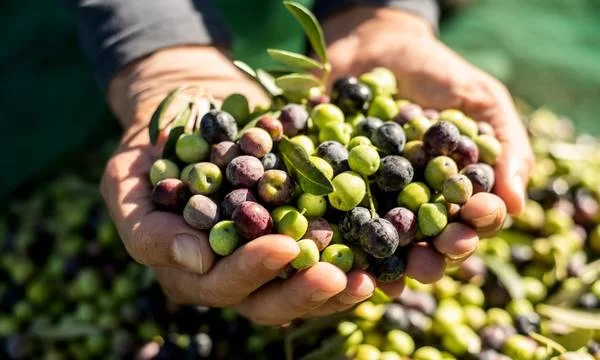
There is a particular smell when freshly harvested olives are bruised and gathered during the cool Cretan winter.
Green, sharp and unmistakable.
For us, that aroma is connected with much more than the fruit itself. It means winter mornings, work in the groves, relatives gathered together and the anticipation of the new olive oil.
One smell can bring an entire season back.
The Ritual of Sakiasma
Some memories are even more physical.
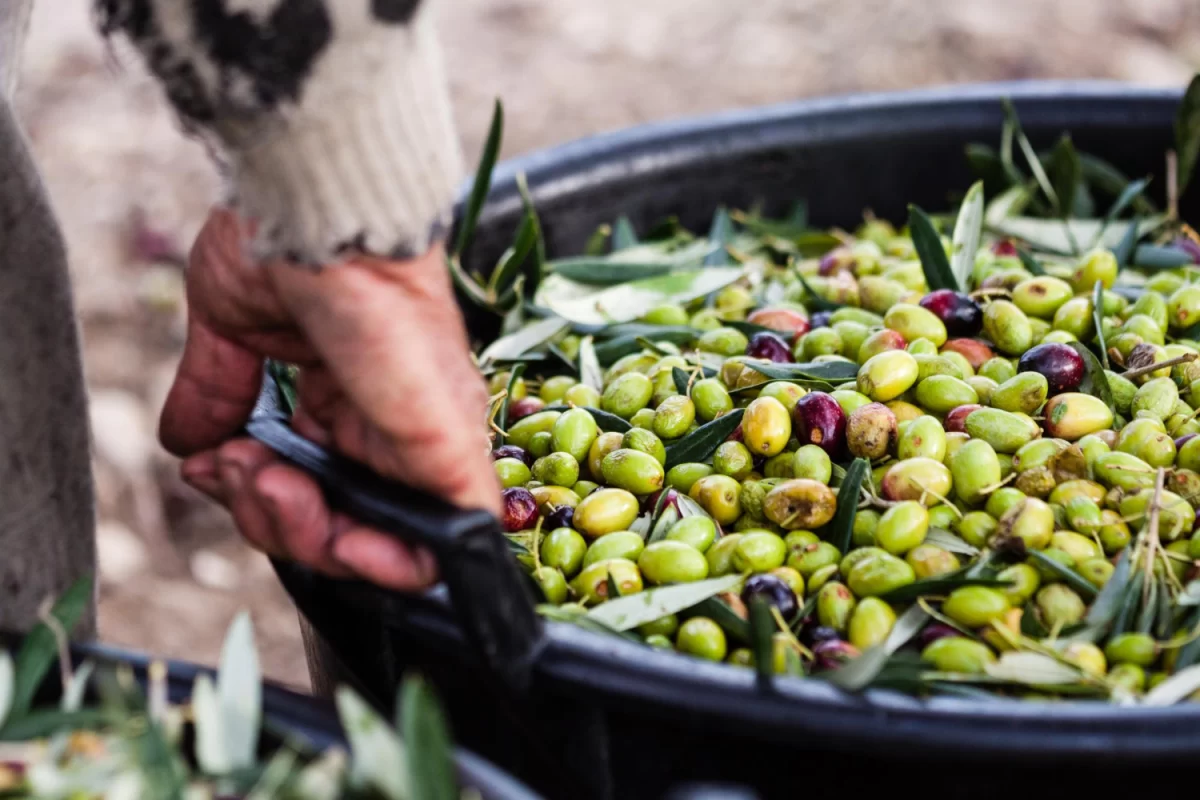
We remember spreading the nets beneath the olive trees and hearing the fruit fall. We remember gathering the olives and filling the woven sacks — the traditional sakiasma of the harvest.
And we remember pushing our bare hands deep into those sacks to make room for more fruit.
The olives would break slightly beneath our hands, releasing their intense green aroma. By the end of the day, our clothes, our skin and seemingly everything around us smelled of olive leaves and fresh fruit.
For a child growing up in an olive-producing family, these were not lessons taught in a classroom.
This was how you learned what olive oil meant.
You lived it.
The First Taste
Then came the reward: the olive mill.
Few memories compare with tasting the season’s first fresh oil — protolado — while it was still intensely green, fragrant and alive with the character of the newly harvested fruit.
A piece of rustic bread, warmed by the fire and generously covered with fresh olive oil, needed nothing else.
For us, that first taste meant the harvest had become something real.
The work of the land was finally on the table.
What We Carry Forward
For the Tsouderos family, producing olive oil today carries the weight of all these memories.
Behind every harvest are months of uncertainty: the weather, the trees, the fruit and the constant decisions required by the land. During harvest itself come the long days, tired bodies and hands marked by the work.
That is why we cannot see olive oil simply as a commodity.
Its value begins with the people who care for the trees and continues through every stage required to bring the fruit from the grove to the bottle.
Modern equipment, quality controls and international markets have changed the way we work. They have not changed what the olive tree means to us.
We still recognise the same aroma at harvest.
We still wait for the first oil of the season.
And we still understand that what we receive from the Cretan soil comes with a responsibility: to respect it, protect its quality and pass it on without losing the values that created it.
Taking our olive oil beyond Crete therefore means more to us than exporting a product.
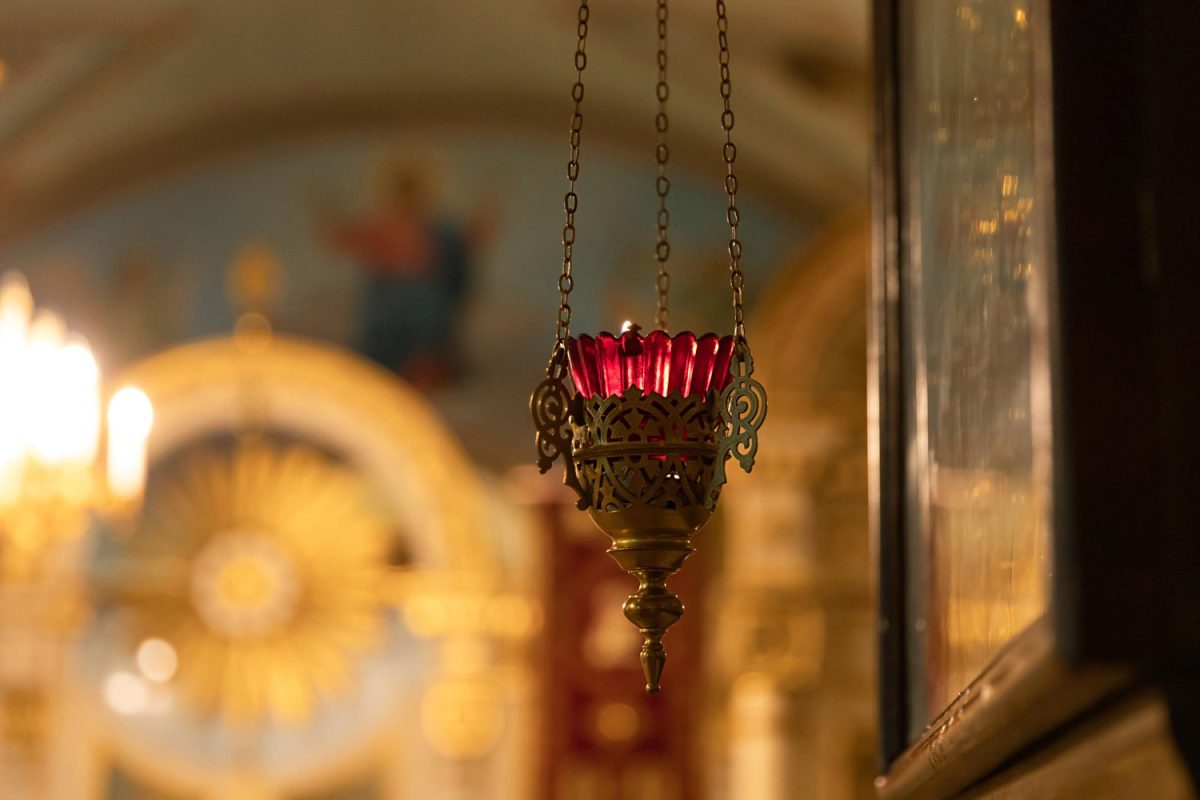
It means sharing part of the place that formed us — its landscape, its traditions, its labour, its faith and its memories.
What comes from human hands is the work.
What comes from the land is the gift.
And for us, olive oil has always contained both.